Toilet Repairs in Stafford Heights
A cistern that will not stop running, water creeping out from the pan, a flush gone weak: every one of those is a regular booking for us. Toilet repairs Stafford Heights wide make up a steady share of our run, and Stafford Heights Plumbing Services sends a licensed plumber to each one. For the full picture of the room, start with our Stafford Heights service list.
If we're late, $100 comes off your bill

- Licensed and InsuredEvery job done by a licensed plumber. QBCC No: 15024607
- Fixed Quote FirstFlat-rate pricing, agreed before any work starts
- Lifetime Labour WarrantyBacked by our Fix-It-or-It's-Free guarantee (T&Cs apply)
- $0 Call-Out FeesNo extra charge for nights, weekends or public holidays
A cistern is the tank above or behind the pan that stores the water for each flush. When a cistern plays up, the fault is nearly always inside that tank, and the fix is usually a parts swap rather than a whole new suite. Our tap and toilet plumbing work covers both fixtures in the room, and this page breaks the toilet side down.
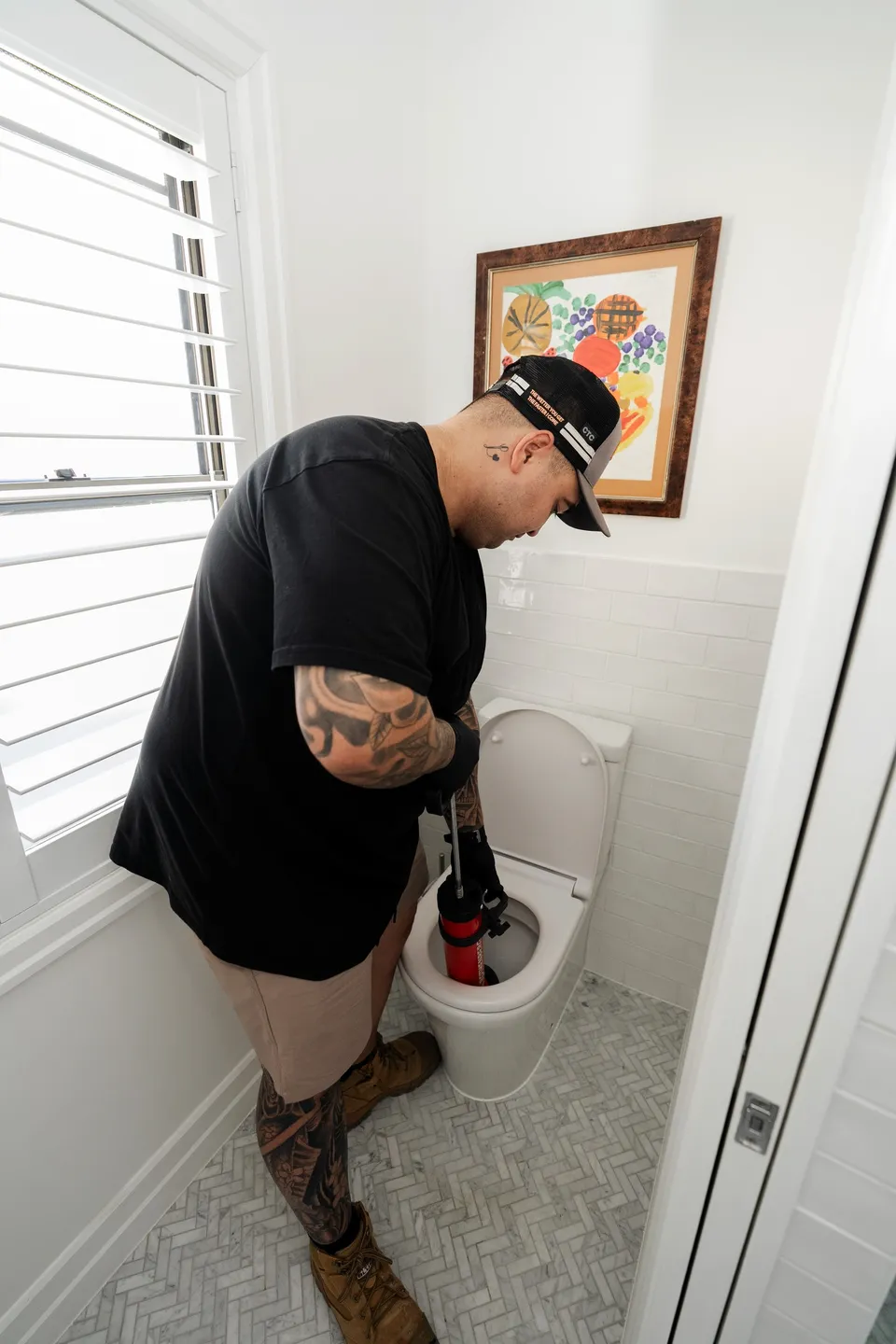
Inlet Valve, Outlet Valve and Float Explained
Three faults sit behind most cistern trouble: a worn inlet valve, a tired outlet valve, or failed seals. The symptom tells you which one has let go.
The inlet valve tops the cistern up after each flush and shuts off once the float reaches the set level. When the inlet valve wears or blocks, the cistern fills at a crawl or keeps filling without stopping.
The outlet valve holds the flush water back between presses. When the outlet washer wears, water creeps past the washer into the pan, the inlet valve keeps making up the loss, and the loo runs. Our running toilet guide steps through that fault in full.
A weak flush usually comes down to a cistern sitting below its proper water line, scale clogging the rim holes, or a button mechanism that jams. A cistern that never fills at all points to an inlet valve worn or blocked, a float riding low, or a supply tap only partly open.

What Affects the Cost of a Toilet Repair
The price turns on which part has failed, whether the ceramic has cracked, how easily the cistern and its isolating tap can be reached, and how many parts get swapped. Once we have seen the job, you get a fixed quote before any work starts, so the figure does not move afterwards.
A few things push the call one way or the other:
Cracked ceramic
a fracture in the cistern or pan ends the repair conversation, because the part gets replaced instead. Our toilet installation page covers that side of it.
Repeat visits
a loo needing repair after repair can cost less over the years to replace than to keep fixing. We weigh that up job by job.
Standards on new parts
a replacement cistern carries WaterMark certification plus registration with the national water-rating scheme (WELS) before the cistern can legally go in.
Access
on this suburb's sloping blocks, tight side passages and vanity cabinetry can add labour to what would be a quick swap on flat ground.
Leaks at the Base, Cistern and Supply Line
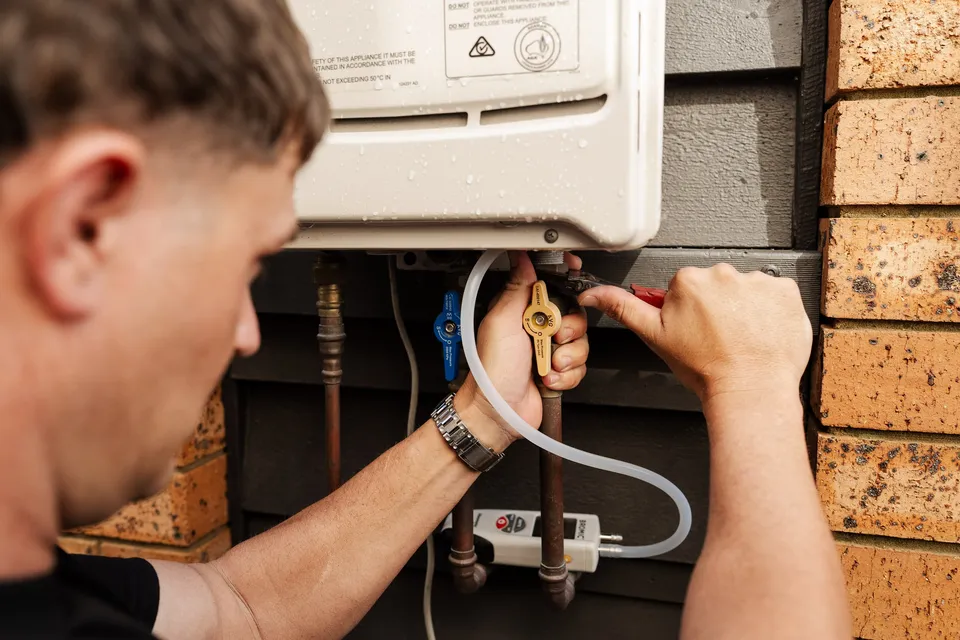
A toilet leak shows in three spots: at the supply connection under the cistern, around the base where the pan sits on the floor, or between the tank and the pan. Each spot has its own part behind it.
Water pooling at the base most often traces to a failed pan connector seal, though a weeping supply joint or a cracked pan does the same. Dampness showing between cistern and pan points to the rubber joining those two.
At the supply end, a leak under the cistern can come from the small isolating tap, known as a mini stop, or from the braided hose above the mini stop. Both sit low and out of sight, where a slow drip goes unnoticed for weeks.
A sewage odour at the pan can mean the rubbers sealing the pan into the drain line have perished or shifted. A plumber checks those rubbers and the pan connector, because odour often arrives before any water shows.
You can settle a silent leak yourself in one step. Some food colouring dropped into the cistern, left unflushed, will tint the bowl if water is getting past the outlet valve. A flush afterwards rinses the colour away, because the dye leaves ceramic clean.
Cistern Washers and the Licence Line
The QBCC's unregulated list covers exactly three rubbers inside a cistern: the washer on the drop valve, the washer on the float valve, plus the suction cup rubber. A householder with the know-how may legally change those three, provided the finished work reaches the required standards.
Every other repair on a loo is minor work, done by a QBCC licensee without a permit or a Form 4. Seals, pan connectors, buttons, inlet valves and any supply-side repair all sit on the licensed side, and that is the work we do.
Rentals get one extra layer. A toilet that will not flush or is broken counts as an emergency repair under Queensland tenancy rules, and the owner or manager carries the repair duty, with the tenant reporting faults promptly.
Older Bathrooms on the Hill
Houses from the 1950s and 1960s sit around Webster Road Park and up the slopes toward Rode Road, and many bathrooms in those houses still run original supply pipe. Galvanised pipe from that era scales up and narrows over the decades, so a cistern refilling at a crawl can be the supply line rather than the valve.
We check the supply before condemning the cistern on every visit. Where the old line is the culprit, our water pipe repairs work takes over, and the toilet job becomes the smaller one. Tap trouble often appears in the same bathrooms, so our tap repairs page is worth a look too.
How Your Toilet Repair Runs
- 1

Describe the problem
Phone (07) 3523 6417 or fill in the form with what you're seeing in Stafford Heights. The more we know, the better we can prepare.
- 2

We test the cistern and its supply
The visit starts with the lid off and the water on: we watch the tank fill, check the float and the button, and inspect the pan connector and isolating tap for weeping. That tells us which valve, seal or washer has failed before anything gets pulled apart.
- 3
Agree on the price
A fixed quote comes before any work starts: flat-rate pricing, no hidden fees, and your go-ahead first.
- 4

Pay on completion
Card or EFTPOS on site when everything's working, or ask us about Fix now, pay later.
Plumbing job in Stafford Heights?
$0 call-out fees, available 24/7, and same-day where we can.
Toilet Questions From Stafford Heights
Call (07) 3523 6417What are the three common faults in a cistern toilet?
The inlet valve, the outlet valve and the seals. One part, one symptom: a worn inlet valve leaves the cistern filling slowly or nonstop, a worn outlet valve has the loo running on between flushes, and failed seals put water where it should not be.
What causes a leak at a toilet base in Stafford Heights?
The seal inside the pan connector is the usual culprit, though a weeping supply joint or a crack in the pan produces the same puddle. Dampness showing between cistern and pan points instead to the rubber joining those two.
Why does my toilet smell of sewage?
Drain odours at the pan usually mean the rubbers sealing the pan into the drain line have perished or shifted. A plumber checks those rubbers and the pan connector, because a connector that has moved lets smells back into the room.
Why won't my toilet flush properly?
Weak flushing comes from a cistern sitting below its proper water line, scale blocking the rim holes, or a button that jams partway. Each robs the flush of water or timing, and each is a quick diagnosis on site.
Can a cracked cistern or pan be repaired in Stafford Heights?
No. Cracked ceramic is where repairing stops and replacing starts, because no washer or seal fixes a fracture. The cistern or the pan gets swapped for a new one, and we quote that as its own job.

Call Us About Your ToiletWe'll call you back.
Phone (07) 3523 6417 for a licensed plumber in Stafford Heights. We work under QBCC No: 15024607, with flat-rate pricing, no hidden fees and same-day where we can.
To claim your $0 call-out fee, call (07) 3523 6417 today.